- Machining Services
- Ceramic Products
- Materials
- Industries
- Our Strengths
- About SHENTIN
- Contact

Select your language
Select your language
Select your language
Service
Ceramic components for global applications
Ceramic Materials
Thermal conductivity and electrical insulation in one ceramic
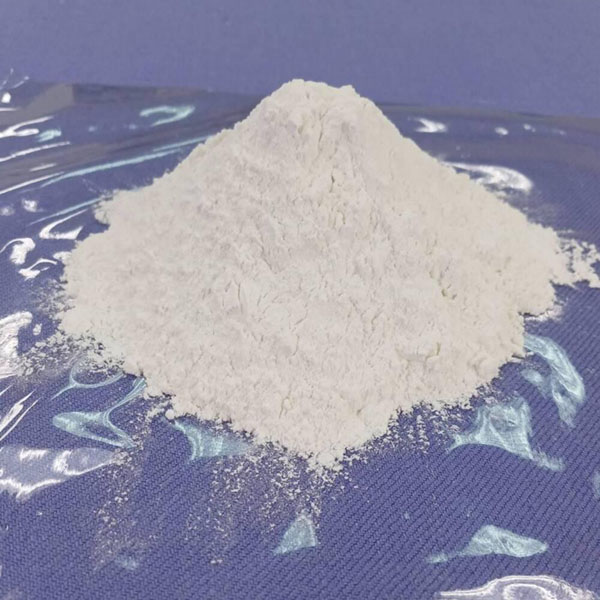
Aluminum nitride combines high thermal conductivity with electrical insulation. It can be considered for thermal management components in power electronics, semiconductor equipment and communication systems. SHENTIN reviews machining options based on your drawings, material grade and operating conditions.
Aluminum nitride combines thermal conductivity and electrical insulation. Moisture can affect the material and surface condition. Review material specifications and service conditions when selecting, machining and storing components.
| Property / material | Alumina | Zirconia | SiC | Si₃N₄ | AlN |
|---|---|---|---|---|---|
| Density g/cm³ | 3.9 | 6 | 3.2 | 3.3 | 3.2 |
| Thermal conductivity W/(m·K) | 28 | 1.8 | 126 | 27 | 160 |
| Thermal expansion 10⁻⁶/°C | 8 | 10.1 | 4 | 2.3 | 4.4 |
| Microhardness kgf/mm² | 1600 | 1400 | 2300 | 1500 | 1200 |
| Specific heat J/(kg·K) | 800 | 400 | 700 | 700 | 730 |
| Elastic modulus GPa | 370 | 200 | 410 | 310 | 340 |
| Tensile strength MPa | 262 | 700 | 400 | 524 | 400 |
| Compressive strength MPa | 2600 | 1850 | 3900 | 2500 | 2070 |
| Flexural strength MPa | 380 | 690 | 550 | 780 | 360 |
| Fracture toughness MPa·m½ | 3.6 | 9.5 | 4.6 | 7.7 | 2.6 |
| Poisson’s ratio | 0.23 | 0.26 | 0.19 | 0.24 | 0.25 |
| Melting point °C | 2053 | 2700 | 2700 | 1900 | 2400 |
Values are reference figures from the original page, not guaranteed specifications. Properties vary by grade, processing, batch, test method and operating conditions. Use supplier specifications and inspection data for material selection and acceptance.
Send SHENTIN your drawings, operating temperature, chemical exposure and loading conditions for a material and machining review.